When Hearts Collide: A Journey Through Love
Romance manga and manhwa capture the delicate dance of love through diverse cultural lenses, blending heartfelt emotion with dramatic tension and often a touch of humor. Japanese romance manga like Kaguya-sama: Love is War thrive on witty battles of affection, where characters strategize to make the other confess first, while Korean manhwa often lean into modern settings with themes of social status, workplace dynamics, or fantasy twists that heighten the stakes of romance. Both mediums excel at portraying slow-burn relationships, tender character growth, and the bittersweet moments of vulnerability that make readers invested in the journey. Whether it’s the high school innocence of first love or the mature struggles of adults navigating complicated feelings, these stories resonate because they mirror the universal desire for connection and intimacy.
Here are the manga/manhwa with romance genre that I like:
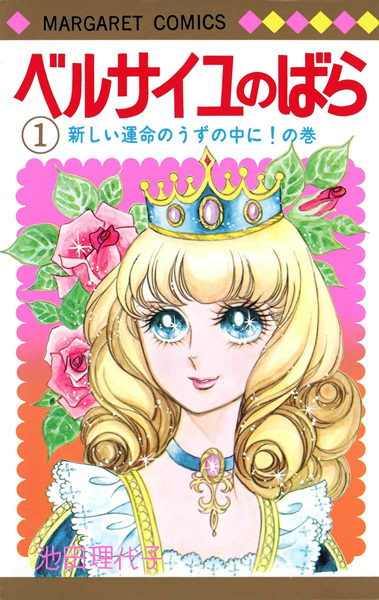
Versailles no Bara
- Volumes: 10
- Chapters: 82
- Published: May 6, 1972 - December 8, 1973
- Genres: Drama, Romance
- Themes: Historical, Military
- Demographic: Shoujo
- Serialization: Margaret
- Authors: Riyoko Ikeda (Story & Art)
Review: The first time I closed the final volume of this manga, I sat in silence for a long while, the way one does after a love has ended—not with a flourish, but with the quiet, aching certainty that something irreplaceable has passed through my hands. I had come to this manga expecting a historical epic, perhaps a tragedy of revolution and aristocracy. I did not expect to fall so completely, so ruinously, in love.
And yet that is exactly what this story does. It wraps its arms around you slowly, politely at first, the way Marie Antoinette might greet a visitor at court, and then it draws you into a romance so layered, so impossible, that you cannot extricate yourself from it. Oscar François de Jarjayes—I must speak of her first, because my heart insists upon it—is the kind of heroine one meets once in a lifetime. Raised as a son, dressed in men's clothing, she is a woman who has never been permitted the simple luxury of being loved as herself. I watched her stand guard at Versailles, sword at her hip, and I felt the peculiar anguish of loving someone who does not yet know she is allowed to be loved. Her romance is not a single thread but a tapestry: the devotion of André, her childhood companion, whose love is so constant, so self-effacing, that it broke me a little more with every panel; the charged, dangerous pull between Oscar and the Count of Fersen, a love that can never be spoken aloud without destroying something; and even the tender, complicated bond with Rosalie, who adores Oscar with a purity that asks for nothing in return.
What struck me most, from a romance reader's perspective, is how patient this manga is. It does not rush toward confessions or kisses. It lets love accumulate in glances held a beat too long, in the way André's hand hovers near Oscar's shoulder without touching, in the bitter irony of Oscar donning a ballgown for the first time and realizing, too late, how beautiful she is—and how much she has sacrificed. The romance is inseparable from the tragedy of class and gender, and that is precisely what makes it so devastating. Every tender moment carries the weight of the world outside the garden. I found myself rereading certain scenes—the duel, the rain-soaked confession, the final charge—not because I didn't understand them, but because I needed to feel them again, the way one returns to a beloved song.
There is a particular kind of heartbreak in loving a story where you know, from history itself, that the guillotine awaits. But this manga earns that heartbreak. It does not use tragedy as a shortcut to emotion; it builds love so carefully, so tenderly, that when the blade falls—and it does fall, in more ways than one—I felt it in my chest like a physical thing. I wept for Oscar. I wept for André. I wept for the beautiful, doomed world of Versailles, and for the love that bloomed in its shadow even as the revolution swallowed everything whole.
If you come to this manga for romance, you will not be disappointed. But be warned: it will not give you the comfort of a simple happy ending. What it gives instead is something rarer—a love story that feels true, in all its impossibility, all its sacrifice, all its stubborn tenderness. I finished it feeling as though I had loved and lost alongside Oscar herself, and I suspect I will carry that feeling for a very long time.

Touch
- Volumes: 26
- Chapters: 257
- Published: August 5, 1981 - November 12, 1986
- Genres: Award Winning, Comedy, Drama, Romance, Sports
- Themes: Love Polygon, School, Team Sports
- Demographic: Shounen
- Serialization: Shounen Sunday
- Authors: Mitsuru Adachi (Story & Art)
Review: I finished the last page of this manga and felt something strange: not the sharp, dramatic ache of a tragedy, but a quiet, lingering warmth, like the silence after a summer festival ends. This is a love story that refuses to shout. It whispers. It hides in the space between a boy pretending not to care and a girl pretending not to notice.
I came for the romance, knowing only that there were twins and a childhood friend, and I left with my heart gently rearranged. Minami Asakura is the kind of girl I wanted to root for from the very first panel—capable, bright, the steady center of a household that lost its mother, and utterly blind to her own worth in the eyes of the one person who matters most. And Tatsuya. Oh, Tatsuya. He is infuriating in the way that only someone who loves too quietly can be. He steps aside for his brother, deliberately, painfully, letting Kazuya shine because he believes that is what love requires. I wanted to shake him. I wanted to hold him. I wanted to tell him that Minami's heart was never a prize to be conceded.
What this manga understands, and what it made me feel in my bones, is that love is not always declaration. Sometimes it is a boy throwing a baseball in the dirt because he cannot say what he means. Sometimes it is a girl watching from the bleachers, pretending her pulse does not spike. The romance here is built on restraint—on all the things Tatsuya and Minami do not say to each other because saying them would mean acknowledging the ghost standing between them. Kazuya's shadow is not a plot device to me; it is the weight that makes every near confession feel like a small act of courage.
I found myself rereading the quiet moments—a shared glance over a fence, a conversation that circles around the truth without landing. Adachi's art is deceptively simple, but those wide panels and sparse expressions create a kind of intimacy that dialogue could never achieve. I felt like a witness to something private.
By the time the story reaches its famous confession, I was already undone. It is not a grand gesture. It is not a speech. It is a boy finally saying the thing he should have said years ago, and a girl finally hearing it. And I realized, sitting there with the final volume open in my lap, that I had been waiting for it just as long as they had.
This manga is not a romance that sweeps you off your feet. It is a romance that grows on you slowly, the way Minami grows on Tatsuya, the way a childhood friendship deepens into something that neither of them knows how to name. I finished it feeling tender, and a little wistful, and grateful that I had been allowed to watch two people figure out, at their own stubborn pace, that they had been in love all along.
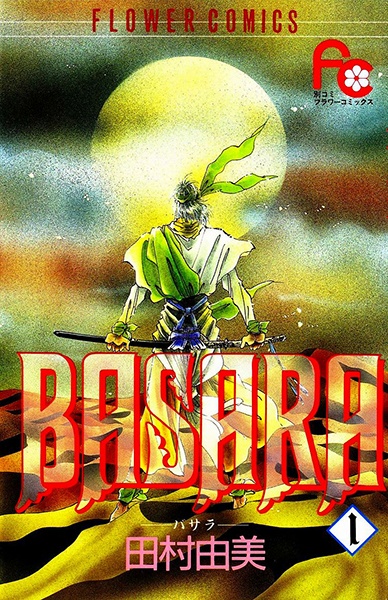
Basara
- Volumes: 27
- Chapters: 112
- Published: August 11, 1990 - May 13, 1998
- Genres: Adventure, Award Winning, Drama, Fantasy, Romance
- Demographic: Shoujo
- Serialization: Betsucomi
- Authors: Yumi Tamura (Story & Art)
Review: I closed the final volume of this manga with my chest hollowed out and my eyes stinging, the way you feel after crying for people who never existed but whose love you believed in anyway. This is not a romance that cradles you. It grabs you by the collar and drags you through a desert, and somewhere along the way you realize you have fallen in love with the very person you are supposed to hate.
Sarasa and Shuri ruined me. That is the only honest way to say it. She is a girl wearing her dead brother's name, swinging a sword for revenge, pretending to be a boy so her people can have hope. He is the Red King, the man who destroyed her village, the enemy she has sworn to kill. And when they meet, neither knows. They fall in love as strangers—a girl letting her hair down at a hot spring, a traveler with a sharp smile and a sharp temper. I knew the truth. They did not. And every tender moment between them felt like a blade sliding between my ribs, because I knew what was coming, and I could not look away.
What this manga understands, and what it made me feel in my bones, is that the cruelest love is the one that is real. Sarasa does not love a lie. She loves Shuri—his arrogance, his laughter, the way he looks at her like she is a person and not a prophecy. And Shuri loves Sarasa, not Tatara, not the rebel leader, not the boy of destiny. He loves the girl. That distinction is everything. When the truth finally cracks open between them, it is not a misunderstanding that could have been fixed with a conversation. It is a wound that cannot be healed without one of them abandoning everything they are.
I have read enemies-to-lovers before. I have never felt it like this. The tragedy is not that they are on opposite sides. The tragedy is that they are right to be. Sarasa's cause is just. Shuri's loyalty to his father's empire, however complicated by his own growing conscience, is not simple villainy. They are both trying to build something better, and their visions cannot coexist. I found myself rereading the quiet scenes between them—stolen moments in a war that gives them nothing—not because I wanted comfort, but because I needed to remember that love existed in the middle of all that ruin.
There is a moment, late in the story, when the secret identities can no longer hold. And I sat there, volume in hand, and felt something crack. Because I had known from the first chapter, and yet I had let myself hope anyway. That is what this manga does to you. It makes you hope against history, against politics, against the simple math of two people who cannot both win. I finished it feeling wrecked and grateful, the way you feel after loving something that was never going to be easy. Sarasa and Shuri are not a romance I will recover from quickly. I am not sure I want to.

Shonan Junai Gumi!
- Volumes: 31
- Chapters: 267
- Published: September 26, 1990 - September 18, 1996
- Genres: Action, Comedy, Drama, Romance
- Themes: Delinquents, School
- Demographic: Shounen
- Serialization: Shounen Magazine (Weekly)
- Authors: Tooru Fujisawa (Story & Art)
Review: I finished this manga expecting a comedy about two idiots trying to lose their virginity, and I closed the final volume feeling something I did not anticipate: a quiet, bittersweet ache for the loves that never quite landed. This is not a romance manga in the traditional sense. It is a manga about boys who want romance, who chase it with all the grace of a motorcycle crashing through a storefront, and who occasionally—almost by accident—stumble into something real.
Eikichi Onizuka and Ryuji Danma are the Oni-Baku, two delinquents whose primary goal in life is to pick up girls. That is the premise, and for a long stretch, it delivers exactly what it promises: slapstick, failed confessions, and the kind of adolescent desperation that makes me laugh and wince in equal measure. But somewhere in the middle of all that chaos, the romance becomes genuine. And that is what caught me off guard.
Ryuji's story is the one that undid me. He is the calmer of the two, the one who claims he wants to be popular but who, when it counts, is serious and devoted to the person he actually loves. When he meets Nagisa, a waitress with a gentle smile and a fractured mind, I did not expect the story to take her trauma seriously. Nagisa suffers from dissociative identity disorder, a condition born from a brutal assault, and Ryuji does not fix her with a punch or a grand speech. He stays. He waits. He loves her through the parts of herself she cannot control. I found myself rereading those panels, not for the comedy, but for the quiet tenderness of a boy who has no idea what he is doing and does it anyway.
And then there is Onizuka. I have known him as the greatest teacher in the world, but here he is just a boy, clumsy and desperate and surprisingly pure when he actually falls. There is a volume where he falls truly, genuinely in love with a woman who is not what she seems, and for the first time, the series slows down. It lets him be vulnerable. It lets him imagine a future. And then it takes it away, not cruelly, but honestly. I felt that loss. I felt the weight of a boy learning that love is not a prize to be won but a thing that can hurt you even when you do everything right.
There is also Shinomi, the girl from Eikichi's past who reappears with feelings he does not know how to return. He sees her as a sister, a friend, something precious but not romantic. And I ached for her, because I have been on that side of love before—loving someone who loves you back in a different shape, a smaller shape, a shape that is not enough.
What this manga understands is that teenage romance is mostly failure. It is missed signals and bad timing and boys who are too stupid to say the right thing. But it is also sincere. It is a punch thrown for someone you love, a ride across town at midnight, a promise you do not know how to keep. I finished this manga feeling fond and a little sad, the way you feel remembering your own first attempts at love. It is not a perfect romance. But it is a true one.

Kanata kara
- Volumes: 14
- Chapters: 57
- Published: September 24, 1991 - January 24, 2003
- Genres: Adventure, Award Winning, Fantasy, Romance
- Themes: Isekai, Mythology
- Demographic: Shoujo
- Serialization: LaLa
- Authors: Kyouko Hikawa (Story & Art)
Review: I finished the final volume of this manga and felt something I did not expect: a quiet, settled warmth, the kind that comes from watching two people learn to understand each other one word at a time. This is not a romance of grand declarations or dramatic confessions. It is a romance of gestures, of patience, of a girl who cannot speak the language and a boy who has never wanted to let anyone close enough to try.
Noriko is not the kind of heroine I usually fall for. She cannot fight. She does not have secret powers she can wield. What she has is a stubborn, clear-eyed kindness that refuses to be frightened away by the darkness in Izark's eyes. I watched her learn his language word by word, not because the plot needed her to, but because she wanted to understand the world he lived in. That is a love language all its own. And Izark—cold, solitary, convinced he is a monster—slowly, painfully learns to let her see him anyway. The scenes where they communicate without words, through gesture and tone and the simple act of staying, broke me in the best way.
What this manga understands, and what it made me feel in my bones, is that the most intimate romance is the one built on being seen. Noriko sees Izark not as the prophesied demon but as a man who saved her when he had no reason to. Izark sees Noriko not as the Awakening, the catalyst for his own destruction, but as a girl who hums while she works and cries when she is frustrated and never stops trying. Their love is not a solution to the prophecy. It is a defiance of it. Every tender moment carries the weight of what they are supposed to be to each other—destroyer and destroyed—and every tender moment insists on something else entirely.
I found myself rereading the quiet parts: Noriko learning to tie a sash, Izark teaching her a word, the two of them sharing a meal in a world that wants them dead. The romance here is not the focus of every page, but it is the pulse beneath every page. It grows so slowly that by the time I reached the confession—when Noriko finally understands what her presence has been doing to him and chooses to stay anyway—I realized I had been holding my breath for volumes. Their kiss felt earned in a way few fictional kisses ever do.
I closed this manga feeling tender and a little wistful, grateful that I had been allowed to watch two lonely people find each other across a language barrier, a prophecy, and the weight of their own worst selves. This is not a romance that sweeps you off your feet. It is a romance that teaches you a new vocabulary for love—one built on patience, on staying, on the courage to be understood.
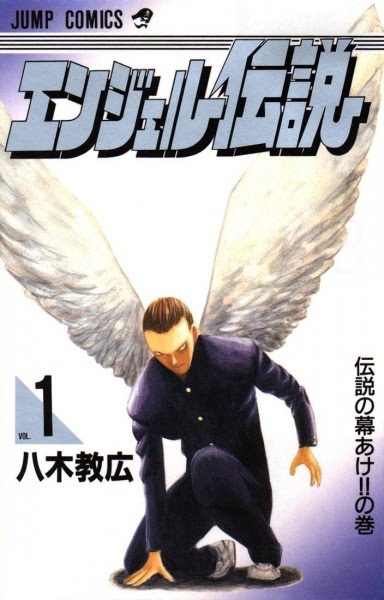
Angel Densetsu
- Volumes: 15
- Chapters: 89
- Published: May 7, 1992 - February 5, 2000
- Genres: Action, Comedy, Romance
- Themes: Delinquents, Martial Arts, School
- Demographic: Shounen
- Serialization: Shounen Jump (Monthly)
- Authors: Norihiro Yagi (Story & Art)
Review: When I approach this manga by Norihiro Yagi, I find myself drawn to the unusual contrast between its intimidating appearance and its surprisingly gentle heart. Although the manga is primarily known for its comedy, I think there is an unexpectedly charming romantic element beneath its absurd misunderstandings. It is a story that reminds me that affection does not always begin with a perfect first impression. Sometimes, it begins with someone looking beyond what everyone else is afraid to approach.
The central character, Seiichirou Kitano, is particularly interesting from a romantic perspective. His naturally frightening facial expression makes him appear like a dangerous delinquent, despite being an incredibly kind, innocent, and compassionate person. I find this contrast amusing, but it also creates an interesting foundation for exploring relationships. Kitano's greatest obstacle is not his personality but the way other people interpret his appearance. He constantly struggles to communicate his intentions, and even his simplest gestures of kindness can be misunderstood as something threatening. In a romantic context, this creates an amusing yet meaningful question: how can someone establish an emotional connection when the world refuses to see who they really are?
What I appreciate most is how the manga approaches kindness as an important foundation for affection. Kitano does not attempt to become popular, impress others, or change his personality to gain acceptance. His sincerity comes naturally, and his willingness to help people makes him increasingly endearing. I find this particularly appealing because romantic attraction is often portrayed through confidence, physical attractiveness, or impressive gestures. Kitano offers something considerably different. His goodness is not an act designed to win someone's heart; it is simply who he is.
However, I also recognize that romance is not the central focus of Angel Densetsu. Its comedy frequently takes priority over emotional development, and readers looking for a conventional romantic storyline may find themselves wanting more. The relationships are generally explored through misunderstandings, friendships, and character interactions rather than sustained romantic progression. Consequently, the romantic elements feel more like an underlying possibility than a fully developed narrative direction.
Nevertheless, I believe this approach contributes to the manga's charm. The supporting characters gradually discover different sides of Kitano, creating opportunities for genuine emotional connections. I particularly enjoy the idea that someone who initially appears frightening can become one of the most trustworthy people in another person's life. There is something heartwarming about watching social barriers gradually disappear as people begin recognizing the sincerity behind his appearance.
Norihiro Yagi's artwork also complements this contrast wonderfully. Kitano's exaggerated facial expressions are responsible for much of the comedy, but they also emphasize the difference between how he looks and how he behaves. His intimidating appearance makes his gentle reactions even more entertaining. From a romance standpoint, I find this visual contradiction surprisingly effective because it challenges the conventional expectations surrounding attractive protagonists and romantic appeal.
Ultimately, I see this manga as an unconventional romantic experience rather than a traditional romance manga. Its strongest qualities lie in sincerity, acceptance, personal connections, and the importance of looking beyond appearances. I would have appreciated more substantial romantic development, particularly considering how naturally Kitano's personality lends itself to an affectionate storyline. Still, I cannot deny the warmth behind its humor.
For me, the most appealing aspect of this manga is its central message: a person's appearance does not determine the kind of love, kindness, or happiness they deserve. Kitano may look like someone people should avoid, but his heart tells an entirely different story. And perhaps that is what makes this manga unexpectedly lovable.
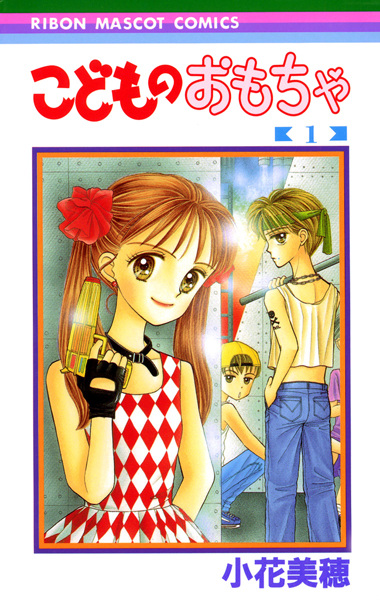
Kodomo no Omocha
- Volumes: 10
- Chapters: 54
- Published: July 2, 1994 - October 3, 1998
- Genres: Award Winning, Comedy, Drama, Romance, Slice of Life
- Themes: Love Polygon, School, Showbiz
- Demographic: Shoujo
- Serialization: Ribon Magazine
- Authors: Miho Obana (Story & Art)
Review: When I think about this manga by Miho Obana, I see a romance story that understands how complicated young feelings can become. Beneath its energetic comedy, exaggerated personalities, and chaotic school-life situations, the manga explores the emotional confusion of growing up, discovering affection, and learning how to understand another person's heart. What makes it particularly appealing to me is that romance is not treated as something that exists independently from personal development. Instead, it becomes part of a much larger journey involving friendship, insecurity, family problems, and emotional maturity.
At the center of the story is Sana Kurata, an energetic child actress whose cheerful personality makes her appear almost unstoppable. However, I appreciate that her outgoing attitude does not mean she is emotionally uncomplicated. Sana has her own insecurities and struggles to understand the people around her, particularly Akito Hayama, a boy whose distant personality and troublesome behavior initially make him difficult to approach. Their relationship becomes one of the most interesting aspects of the manga because their personalities are so different. Sana's expressive nature contrasts with Akito's reserved attitude, creating plenty of opportunities for humorous disagreements, emotional misunderstandings, and surprisingly tender moments.
What I particularly enjoy about their romantic development is how naturally their connection evolves. Their relationship does not immediately rely on conventional romantic gestures or dramatic declarations of affection. Instead, it grows through everyday interactions, arguments, moments of vulnerability, and the gradual realization that they have become important to each other. I find this approach considerably more engaging because it allows their feelings to develop alongside their understanding of themselves.
Akito is especially interesting from a romantic perspective. His emotional distance is not simply a personality trait designed to make him appear mysterious or attractive. It is connected to his difficult family circumstances and the emotional burdens he carries. I appreciate how Sana gradually becomes someone capable of reaching him without reducing his problems to something that can be solved through affection alone. Their relationship demonstrates that caring about someone also means recognizing their pain, respecting their individuality, and understanding that emotional healing takes time.
Meanwhile, Sana is far more than a cheerful romantic protagonist. Her determination, honesty, and occasionally overwhelming enthusiasm make her an important influence on the people around her. I enjoy how she approaches relationships with sincerity, even when she does not completely understand her own emotions. Her feelings are sometimes impulsive and confusing, which makes her romantic development feel appropriate for her age. Rather than presenting her as someone who already understands love, the manga allows her to discover what affection means through experience.
Another aspect I appreciate is how the manga balances romance with emotional drama. The relationship between Sana and Akito is surrounded by complicated circumstances, including family conflicts, jealousy, misunderstandings, and the difficulties of growing up. These elements prevent their romance from becoming a straightforward progression toward happiness. There are moments when affection alone cannot immediately resolve their problems, and I think this gives their relationship a greater emotional weight.
However, I also recognize that the manga's dramatic storytelling can occasionally become overwhelming. Its shifts between exaggerated comedy and emotionally intense situations are not always subtle. Some conflicts receive particularly dramatic treatment, and certain developments may feel emotionally exhausting. Nevertheless, I find that this unpredictability contributes to the manga's distinctive identity. Its characters are allowed to experience happiness, embarrassment, frustration, heartbreak, and affection without remaining confined to a single emotional tone.
Miho Obana's artwork also deserves appreciation. The expressive character designs complement the comedy, while the more intimate scenes communicate emotional vulnerability effectively. I particularly enjoy how facial expressions and body language help convey feelings that the characters themselves sometimes struggle to articulate. In a romance story centered on emotional growth, these visual details make a considerable difference.
Ultimately, I consider this manga a memorable coming-of-age romance that understands love as something that develops through patience, acceptance, and emotional understanding. Its greatest strength is not simply the chemistry between Sana and Akito, but the way their relationship encourages both characters to confront their personal difficulties and mature as individuals.
For me, what makes this manga special is its portrayal of first love as something imperfect, confusing, and occasionally painful, yet genuinely meaningful. It captures the experience of growing up while discovering that another person's happiness can become deeply important to your own. I may find some of its dramatic developments excessive, but the emotional sincerity behind its central relationship makes the journey worthwhile.
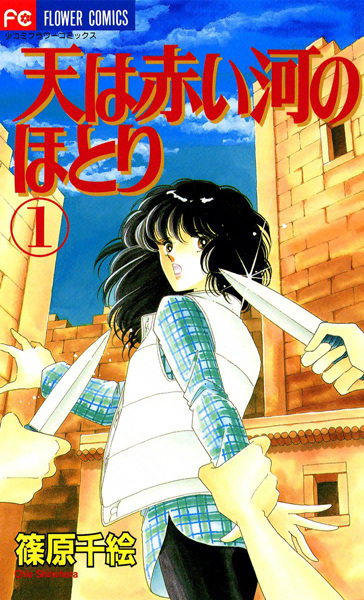
Sora wa Akai Kawa no Hotori
- Volumes: 28
- Chapters: 96
- Published: January 5, 1995 - June 5, 2002
- Genres: Action, Adventure, Award Winning, Drama, Fantasy, Romance, Supernatural
- Themes: Historical, Time Travel
- Demographic: Shoujo
- Serialization: Sho-Comi
- Authors: Chie Shinohara (Story & Art)
Review: Okay, let’s talk about this manga—or Red River, as most of us know it—because honestly, as a writer who devours romance manga, going back to a 1995 classic like Chie Shinohara’s masterpiece feels like uncovering the blueprint for every modern isekai romance trope we’re obsessed with right now.
If you’re tired of sterile, zero-stakes modern romances where the leads take fifty chapters just to hold hands, Red River is going to hit you like a truck. In the best way possible.
Picture this: Yuri Suzuki is literally just a normal modern Japanese middle-schooler trying to survive her first kiss, when suddenly water grabs her out of a puddle and yeets her straight into ancient Anatolia—specifically, the Hittite Empire around 14th century BCE. No magical cheat skills, no status window, just pure panic.
And the reason she’s there? Queen Nakia wants to use Yuri’s blood as a human sacrifice to curse the royal princes so her own son can take the throne. Enter Kail Mursili, the third prince, who steps in, claims Yuri as his concubine to keep her alive, and promises to send her home. Classic fake-dating-for-survival setup? Yes. Does it stay fake? Absolutely not.
Looking at this through a writer’s lens, Shinohara’s pacing and character dynamics are straight-up elite. Modern romance often relies on manufactured misunderstandings to stretch the plot, which honestly gets exhausting. Red River doesn't play that game.
- Power Couple Energy, Zero Dead Weight: Yuri starts out terrified—valid, honestly—but she doesn't stay a damsel in distress. She learns how to ride horses, wield a sword, read military strategy, and eventually earns the title of Ishtar, the living goddess of war. She isn’t just Kail’s love interest; she’s his actual equal on the battlefield and in court politics. Watching them command armies' side-by-side is peak romance.
- Kail Mursili Is the Blueprint: Let’s be real about Kail. He’s charismatic, politically ruthless when he needs to be, deeply empathetic, and completely down bad for Yuri—while still respecting her autonomy. When she wants to go back to modern Japan, he actually tries to help her find a way home instead of trapping her out of selfishness. That kind of devotion hits ten times harder when a character is willing to let go.
- The "Us Against the World" Tension: The chemistry between Yuri and Kail isn't built in a vacuum; it’s forged in literal life-or-death stakes. Between Queen Nakia’s relentless assassination plots, rival kingdoms, and Ramses—the Egyptian general who enters the chat as the ultimate chaotic-good second lead—their relationship is constantly tested. Every quiet moment they get together feels earned.
Since it was serialized in 1995, I have to keep it 100 with you: it carries that classic 90s shojo DNA. There is high melodrama, some definitely dated consent tropes early on that wouldn't fly in a 2026 serialization, and a whole lot of dramatic hair-blowing-in-the-wind panels. If you go in expecting modern sanitized fluff, the rough edges of ancient warfare and 90s shojo intensity might give you whiplash.
If you love high-stakes historical romance, slow-burn mutual respect, and a heroine who goes from "lost teenager" to "literal war goddess" without losing her heart, this is mandatory reading. It’s messy, grand, sweeping, and emotionally devastating in the exact way great romance fiction should be.

Mars
- Volumes: 15
- Chapters: 59
- Published: January 13, 1996 - November 13, 2000
- Genres: Drama, Romance
- Theme: Psychological
- Demographic: Shoujo
- Serialization: Bessatsu Friend
- Authors: Fuyumi Souryo (Story & Art)
Review: If you think modern romance manga gets heavy, Fuyumi Soryo’s 1996 psychological shojo classic is about to humble your entire reading list. Reading this as a writer who loves dissecting romance tropes feels like realizing every "damaged bad boy meets quiet introvert" story we read today is just a watered-down remix of what Soryo perfected thirty years ago.
This isn’t your aesthetic, soft-focus high school romance with accidental hand-brushes and cherry blossoms. It’s raw, psychologically messy, and unapologetically intense—and honestly, that’s exactly why it still slaps in 2026.
The setup looks deceptively simple on paper: Kira Aso is an ultra-quiet, socially withdrawn high school girl who communicates best through her sketchbook, and Rei Kashino is the school’s resident chaotic heartthrob—a reckless motorcycle racer who treats life like a dare and breaks hearts without blinking.
One day, Rei sees Kira’s sketch of a mother and child, asks to use it for a sculpture, and suddenly these two complete opposites are locked into each other’s orbit. Except neither of them is actually okay. Beneath Kira’s silent exterior and Rei’s fearless grin are deep, suffocating traumas—and their romance isn’t about "fixing" each other. It’s about surviving the dark parts of themselves together.
Looking at this manga through a storyteller’s lens, Soryo refuses to take the easy way out with character writing. Most romance writers use trauma as a cheap plot device to trigger a dramatic confession and then magically cure it with a kiss. Soryo doesn't play that game.
- Healing Is Nonlinear (and Actually Earned): Kira’s trauma surrounding men and physical touch doesn't evaporate just because Rei is cute and protective. Rei has to learn patience, restraint, and genuine emotional safety—while confronting his own deeply buried grief over his twin brother, Sei. Watching them slowly build trust without erasing their scars is masterclass character development.
- Rei Kashino Subverts the "Toxic Bad Boy" Trope: On the surface, Rei screams 90s delinquent red flag. In reality? Once he locks in on Kira, he is fiercely loyal, hyper-attuned to her emotional boundaries, and completely uninterested in playing manipulative mind games. He isn’t a walking red flag—he’s a traumatized kid trying to figure out how to love someone gently when violence and recklessness are all he’s ever known.
- Mutual Salvation Without Losing Identity: What really gets me as a writer is how equal their emotional stakes are. Kira isn’t just a passive muse waiting to be rescued; her quiet resilience and brutal honesty become the exact anchor that keeps Rei from self-destructing on the racetrack. They save each other, not through grand fairy-tale gestures, but by simply refusing to walk away when things get ugly.
Because this is mid-90s shojo at its grittiest, I have to keep it real with you: this manga goes to some genuinely dark places. Between sexual trauma, bullying, suicidal ideation, and unhinged antagonists like Tatsuya Kida and Shiori Sakurazawa, the emotional whiplash is intense. If you’re looking for cozy, low-stress fluff to unwind before bed, this will stress you out instead.
This manga proves that true romance isn’t about perfection—it’s about two broken people choosing to stand in the light together despite everything trying to pull them under. It’s atmospheric, deeply human, and hits with an emotional weight that modern high school romances rarely dare to touch.
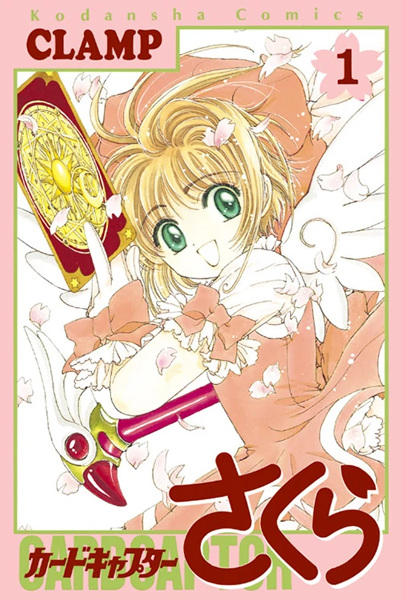
Cardcaptor Sakura
- Volumes: 12
- Chapters: 50
- Published: May 2, 1996 - July 3, 2000
- Genres: Adventure, Award Winning, Comedy, Fantasy, Romance
- Theme: Mahou Shoujo
- Demographic: Shoujo
- Serialization: Nakayoshi
- Authors: CLAMP (Story & Art)
Review: If you’re a romance reader who thinks CLAMP’s 1996 magical girl classic is just cute outfits and catching magical cards, let me hold your hand when I say this: you are sleeping on one of the purest, most emotionally intelligent slow-burn romances ever put on paper.
Reading this through my writer brain, it’s wild how effortlessly CLAMP weaves an entire tapestry of love—platonic, unrequited, queer, and first-crush magic—around a story that’s ostensibly about sealing magical Clow Cards. Modern romance often tries way too hard to manufacture "green flag" male leads, and then you look back at this manga and realize Syaoran Li already perfected the blueprint in 1996.
The setup is iconic: Sakura Kinomoto, a sunshine-incarnate elementary schooler, accidentally unleashes a deck of magical Clow Cards from her dad’s basement and gets drafted by a tiny winged plushie guardian named Keroberos to recapture them all before disaster strikes Tomoeda.
Enter Syaoran Li, a fierce, ultra-serious descendant of the sorcerer Clow Reed who transfers in from Hong Kong to claim the cards for himself. Naturally, they start off as rivals. Naturally, that rivalry slowly melts into the most wholesome, heart-clenching mutual devotion in shojo history—all while Sakura is simultaneously nursing a massive puppy crush on her older brother’s best friend, Yukito Tsukishiro.
Looking at this as someone who analyzes character arcs and romantic pacing, CLAMP’s restraint and emotional nuance are straight-up elite. They don't rush the payoff, and they treat every single character’s feelings with genuine dignity.
- Syaoran Li Is the Original Blushing Green Flag: Watching Syaoran go from grumpy, defensive rival to a boy who literally turns into a human tomato every time Sakura smiles at him is peak cinema. What makes him top-tier from a writing standpoint isn't just that he gets flustered—it’s that his love is completely selfless. Even when Sakura is still hopelessly crushing on Yukito, Syaoran never gets bitter or possessive. He quietly supports her happiness, protects her from the shadows, and waits for his feelings to be heard on her terms.
- Love Without Labels or Gatekeeping: One of the coolest things about this manga—especially reading it in 2026—is how radically open-hearted CLAMP’s philosophy of love is. Between Tomoyo Daidouji’s deeply devoted, unconditional love for Sakura (knowing her feelings aren't returned romantically and still wanting nothing more than to film Sakura being happy) and Toya and Yukito’s unspoken, soul-deep bond, the series validates every form of affection without turning it into cheap melodrama.
- Emotional Maturity Over Manufactured Drama: There are no toxic love triangles or artificial miscommunications dragging out the plot. When Sakura finally realizes Yukito loves someone else, she cries, processes her heartbreak with grace, and grows from it—clearing the emotional space to recognize what Syaoran actually means to her. That kind of clean, honest emotional progression is a masterclass in character-driven romance.
Since we’re keeping it 100 here, I have to mention the elephant in the room: because this is a 1996 CLAMP manga, there are a couple of very questionable age-gap crush subplots in the background (looking directly at Rika and Terada-sensei). The main romance between Sakura and Syaoran is pure, age-appropriate, and timeless, so you can easily breeze past those dated 90s shojo quirks—just don't be surprised when they pop up.
This isn't just nostalgic comfort food; it’s a masterclass in how tenderness, mutual respect, and quiet devotion can hit just as hard as high-stakes angst. If you want a romance that leaves your heart warm and makes you believe in genuine emotional growth, CLAMP’s 1996 gem is undefeated.


Comments
Post a Comment